

"I Desire Mercy, Not Sacrifice” Jesus Christ
Compassion, justice, mercy, and a transformed heart matter more than religious rituals performed without love or understanding.
AD
6/24/20262 min read
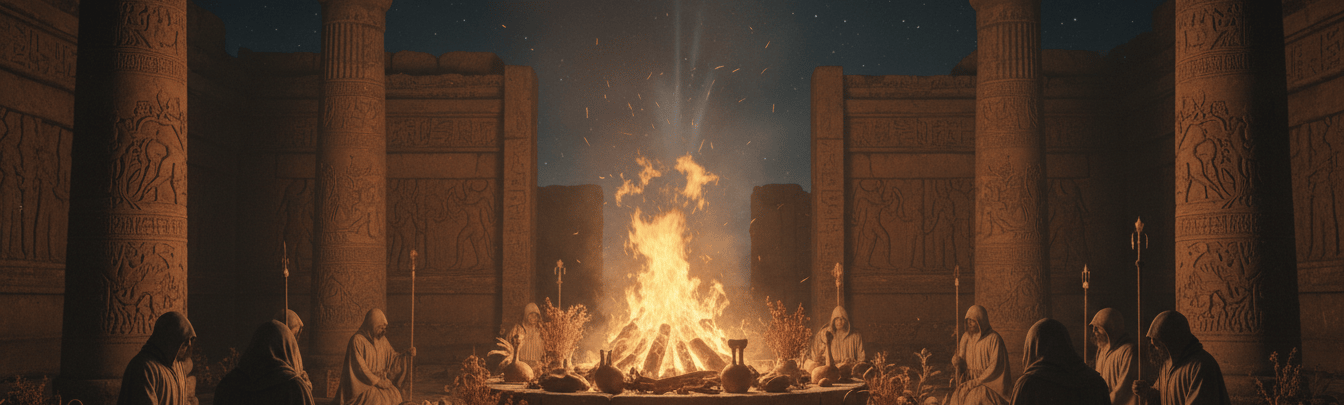

Mercy, not Sacrifice
Matthew 9:13, Jesus says, “But go and learn what this means: ‘I desire mercy, and not sacrifice.’ For I did not come to call the righteous, but sinners.”
Jesus is quoting the prophet Book of Hosea:
"For I desire mercy, not sacrifice, and acknowledgment of God rather than burnt offerings."
He repeats this theme again in Gospel of Matthew:
Matthew 12:7, “If you had known what these words mean, 'I desire mercy, not sacrifice,' you would not have condemned the innocent."
Compassion, justice, mercy, and a transformed heart matter more than religious rituals performed without love or understanding.
This theme also appears in other Jewish scriptures, such as First Book of Samuel:
"To obey is better than sacrifice."
In Isaiah 1:11, God says, “To what purpose is the multitude of your sacrifices unto me? saith the LORD: I am full of the burnt offerings of rams, and the fat of fed beasts; and I delight not in the blood of bullocks, or of lambs, or of he-goats” A direct rebuke to the religious practices of Israel, showing that external rituals without genuine repentance and righteousness are meaningless to God.
This verse comes after Isaiah denounces Israel’s moral and spiritual corruption. In verses 1–9, he describes the nation’s idolatry, injustice, and failure to live according to God’s law. In verses 10–15, he condemns their religious observances, festivals, sacrifices, and offerings, as empty and even offensive when offered by a people living in sin.
The Insufficiency of Human Righteousness
Isaiah 64:6 poignantly describes human righteousness as “filthy rags” when compared to God’s holiness. Even the best moral life is tainted by sin and cannot satisfy God’s justice. The Law serves as a mirror, showing our inability to meet His standard
Psalm 14
The fool hath said in his heart, There is no God. They are corrupt, they have done abominable works, there is none that doeth good. 2 The Lord looked down from heaven upon the children of men, to see if there were any that did understand, and seek God. 3 They are all gone aside, they are all together become filthy: there is none that doeth good, no, not one. 4 Have all the workers of iniquity no knowledge? Who eat up my people as they eat bread, and call not upon the Lord.
In Hebrew the word "fool" is nabal, and in wisdom literature it doesn't mean intellectually deficient, it means morally obtuse, someone who lives as if consequences don't apply to them.
Conclusion
Let us turn our hearts to love and mercy while we repent for our sin and return to the wisdom of our savior, Jesus Christ.
© SDBEST LLC, 2025. All rights reserved.
alan@wambology.org